/

/

How TikTok's No-Buy Challenge Impacts Your Q4 Strategy
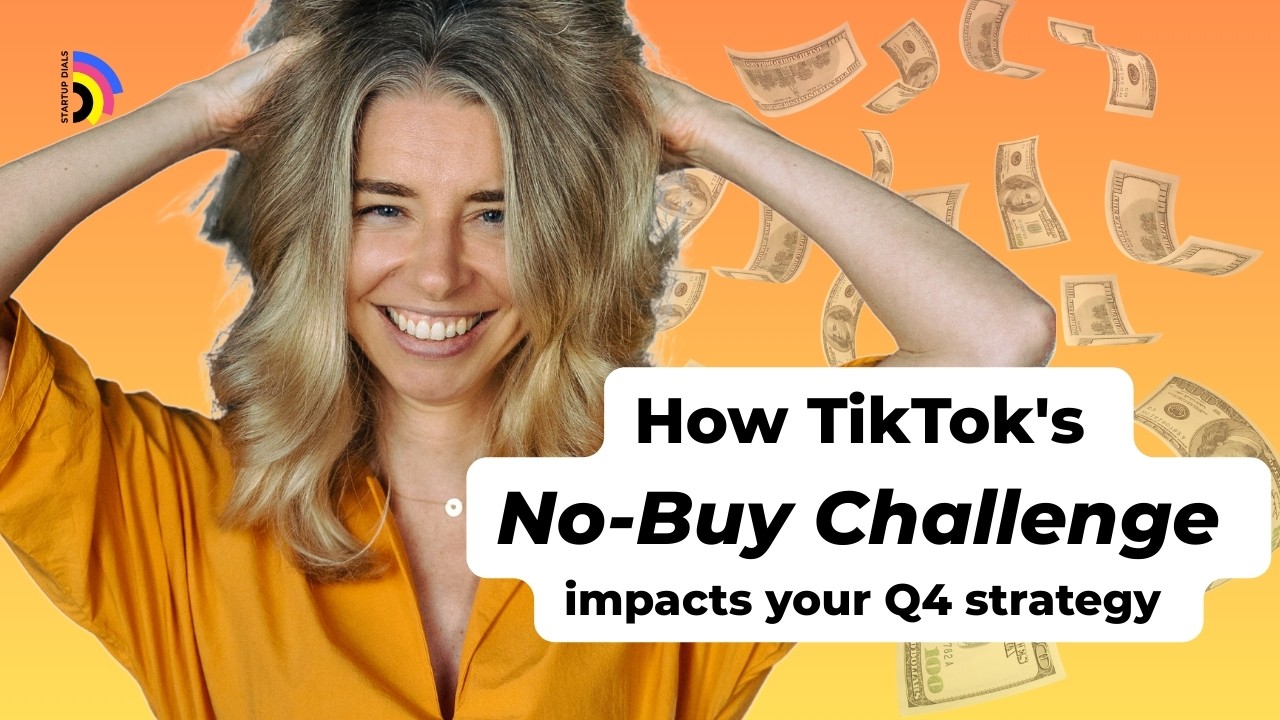
How TikTok's No-Buy Challenge Impacts Your Q4 Strategy

Posted By

Posted At

Marketing

Posted On

Nov 26, 2025

After years of "treat yourself" culture, your customers are asking "Do I really need this?" instead of clicking "buy now."

Americans are in full "revenge saving" mode, making up for years of overspending. TikTok's "No-Buy Challenge" has thousands of followers, and your traditional BFCM urgency tactics are fighting against the new consumer mindset.

𝐈𝐧 𝐭𝐡𝐢𝐬 𝐥𝐢𝐯𝐞 𝐬𝐞𝐬𝐬𝐢𝐨𝐧, 𝐲𝐨𝐮'𝐥𝐥 𝐝𝐢𝐬𝐜𝐨𝐯𝐞𝐫:

- Security-based messaging that converts when customers are cautious
- Offer structures that make buyers feel smart
- How to address gift-buyer psychology

𝐘𝐨𝐮'𝐥𝐥 𝐰𝐚𝐥𝐤 𝐚𝐰𝐚𝐲 𝐰𝐢𝐭𝐡:
A complete message audit framework, proven offer stacks that work with cautious consumers, and gift-specific messaging tactics you can implement right away.


Key Takeaways:

  1. Consumer psychology has shifted from impulse buying to "revenge saving" - Americans are intentionally increasing savings after years of overspending, making traditional urgency tactics less effective.

  2. Replace fear-based urgency with security-based messaging - Instead of "Time's running out!" use "Lock in what you'll need for the next 6 months at half price today."

  3. Remove decision fatigue rather than pushing choices - Curate bundles and simplified offers that make customers feel "I'd be stupid NOT to buy this."

  4. Focus on solving seasonal problems, not just discounting products - Address holiday stress with messaging like "Never stress about 'what's for dinner' again—especially during the holidays."

  5. Q4 is dominated by gift buyers with unique concerns - Extended return policies are critical and should be prominently displayed across all marketing channels.

  6. Layer peace-of-mind elements into every offer - Extended returns, free shipping thresholds, satisfaction guarantees, and expedited shipping options reduce purchase anxiety.

  7. Use tiered bundles and progress bars to drive higher order values - "The more you stock up, the more you save" paired with visual progress indicators showing increasing benefits.

  8. Create gift-specific messaging that addresses giver anxiety - Focus on solving the "what to buy" problem rather than just promoting product features.

  9. Test security vs. urgency messaging NOW with current offers - Don't wait until BFCM to validate which message frameworks resonate with your cautious customers.

  10. Ensure offers are clearly reflected in ad creative - Align your messaging across all touchpoints so customers can quickly assess value and make confident decisions.


After years of "treat yourself" culture, your customers are asking "Do I really need this?" instead of clicking "buy now."

Americans are in full "revenge saving" mode, making up for years of overspending. TikTok's "No-Buy Challenge" has thousands of followers, and your traditional BFCM urgency tactics are fighting against the new consumer mindset.

𝐈𝐧 𝐭𝐡𝐢𝐬 𝐥𝐢𝐯𝐞 𝐬𝐞𝐬𝐬𝐢𝐨𝐧, 𝐲𝐨𝐮'𝐥𝐥 𝐝𝐢𝐬𝐜𝐨𝐯𝐞𝐫:

- Security-based messaging that converts when customers are cautious
- Offer structures that make buyers feel smart
- How to address gift-buyer psychology

𝐘𝐨𝐮'𝐥𝐥 𝐰𝐚𝐥𝐤 𝐚𝐰𝐚𝐲 𝐰𝐢𝐭𝐡:
A complete message audit framework, proven offer stacks that work with cautious consumers, and gift-specific messaging tactics you can implement right away.


Key Takeaways:

  1. Consumer psychology has shifted from impulse buying to "revenge saving" - Americans are intentionally increasing savings after years of overspending, making traditional urgency tactics less effective.

  2. Replace fear-based urgency with security-based messaging - Instead of "Time's running out!" use "Lock in what you'll need for the next 6 months at half price today."

  3. Remove decision fatigue rather than pushing choices - Curate bundles and simplified offers that make customers feel "I'd be stupid NOT to buy this."

  4. Focus on solving seasonal problems, not just discounting products - Address holiday stress with messaging like "Never stress about 'what's for dinner' again—especially during the holidays."

  5. Q4 is dominated by gift buyers with unique concerns - Extended return policies are critical and should be prominently displayed across all marketing channels.

  6. Layer peace-of-mind elements into every offer - Extended returns, free shipping thresholds, satisfaction guarantees, and expedited shipping options reduce purchase anxiety.

  7. Use tiered bundles and progress bars to drive higher order values - "The more you stock up, the more you save" paired with visual progress indicators showing increasing benefits.

  8. Create gift-specific messaging that addresses giver anxiety - Focus on solving the "what to buy" problem rather than just promoting product features.

  9. Test security vs. urgency messaging NOW with current offers - Don't wait until BFCM to validate which message frameworks resonate with your cautious customers.

  10. Ensure offers are clearly reflected in ad creative - Align your messaging across all touchpoints so customers can quickly assess value and make confident decisions.


After years of "treat yourself" culture, your customers are asking "Do I really need this?" instead of clicking "buy now."

Americans are in full "revenge saving" mode, making up for years of overspending. TikTok's "No-Buy Challenge" has thousands of followers, and your traditional BFCM urgency tactics are fighting against the new consumer mindset.

𝐈𝐧 𝐭𝐡𝐢𝐬 𝐥𝐢𝐯𝐞 𝐬𝐞𝐬𝐬𝐢𝐨𝐧, 𝐲𝐨𝐮'𝐥𝐥 𝐝𝐢𝐬𝐜𝐨𝐯𝐞𝐫:

- Security-based messaging that converts when customers are cautious
- Offer structures that make buyers feel smart
- How to address gift-buyer psychology

𝐘𝐨𝐮'𝐥𝐥 𝐰𝐚𝐥𝐤 𝐚𝐰𝐚𝐲 𝐰𝐢𝐭𝐡:
A complete message audit framework, proven offer stacks that work with cautious consumers, and gift-specific messaging tactics you can implement right away.


Key Takeaways:

  1. Consumer psychology has shifted from impulse buying to "revenge saving" - Americans are intentionally increasing savings after years of overspending, making traditional urgency tactics less effective.

  2. Replace fear-based urgency with security-based messaging - Instead of "Time's running out!" use "Lock in what you'll need for the next 6 months at half price today."

  3. Remove decision fatigue rather than pushing choices - Curate bundles and simplified offers that make customers feel "I'd be stupid NOT to buy this."

  4. Focus on solving seasonal problems, not just discounting products - Address holiday stress with messaging like "Never stress about 'what's for dinner' again—especially during the holidays."

  5. Q4 is dominated by gift buyers with unique concerns - Extended return policies are critical and should be prominently displayed across all marketing channels.

  6. Layer peace-of-mind elements into every offer - Extended returns, free shipping thresholds, satisfaction guarantees, and expedited shipping options reduce purchase anxiety.

  7. Use tiered bundles and progress bars to drive higher order values - "The more you stock up, the more you save" paired with visual progress indicators showing increasing benefits.

  8. Create gift-specific messaging that addresses giver anxiety - Focus on solving the "what to buy" problem rather than just promoting product features.

  9. Test security vs. urgency messaging NOW with current offers - Don't wait until BFCM to validate which message frameworks resonate with your cautious customers.

  10. Ensure offers are clearly reflected in ad creative - Align your messaging across all touchpoints so customers can quickly assess value and make confident decisions.


Latest Blog
Stay up to Date with the Latest News

Welcome to Startup Dials

Your partner in achieving next-level growth.

For over 8 years, I’ve successfully launched 20+ smart home and kitchen products and brands, scaling from crowdfunding to retail across the US. My 17 years living in China helps me understand tech founders on a deeper level, while working closely with US consumers creates the perfect overlap, bringing the 2 worlds together.

I've watched too many brilliant hardware founders:

Hire a junior marketer and hope they grow into the role or

Pay $200K+ for a CMO when you're still figuring out product-market fit

The fractional model fixes this.

Welcome to Startup Dials

Your partner in achieving next-level growth.

For over 8 years, I’ve successfully launched 20+ smart home and kitchen products and brands, scaling from crowdfunding to retail across the US. My 17 years living in China helps me understand tech founders on a deeper level, while working closely with US consumers creates the perfect overlap, bringing the 2 worlds together.

I've watched too many brilliant hardware founders:

Hire a junior marketer and hope they grow into the role or

Pay $200K+ for a CMO when you're still figuring out product-market fit

The fractional model fixes this.

Welcome to Startup Dials

Your partner in achieving next-level growth.

For over 8 years, I’ve successfully launched 20+ smart home and kitchen products and brands, scaling from crowdfunding to retail across the US. My 17 years living in China helps me understand tech founders on a deeper level, while working closely with US consumers creates the perfect overlap, bringing the 2 worlds together.

I've watched too many brilliant hardware founders:

Hire a junior marketer and hope they grow into the role or

Pay $200K+ for a CMO when you're still figuring out product-market fit

The fractional model fixes this.